

FF Projects is pleased to announce WHAT COMES TO MIND WHEN YOU SEE THE GARMENT?, the first solo exhibition with the gallery by Lagos-based photographer Stephen Tayo and fourth presentation within FF Projects' year-long residency at Alára.
In WHAT COMES TO MIND WHEN YOU SEE THE GARMENT?, Tayo turns his lens to devotees of the Aladura movement– a strand of Pentecostal Christianity that emerged among Yoruba communities in the 1910s and 1920s. Its various denominations found early momentum during the 1918 influenza pandemic, whose devastation turned communities toward prayer circles and divine healing. Weaving Christian practice through Yoruba spiritual idioms, the movement carries an implicitly anti-colonial cast; its prayer, sacred ritual objects, and music expressing a direct encounter with God that required no European intermediary, and its elaborate internal hierarchies drawing legitimacy from African cultural logic and divine revelation rather than missionary appointment.
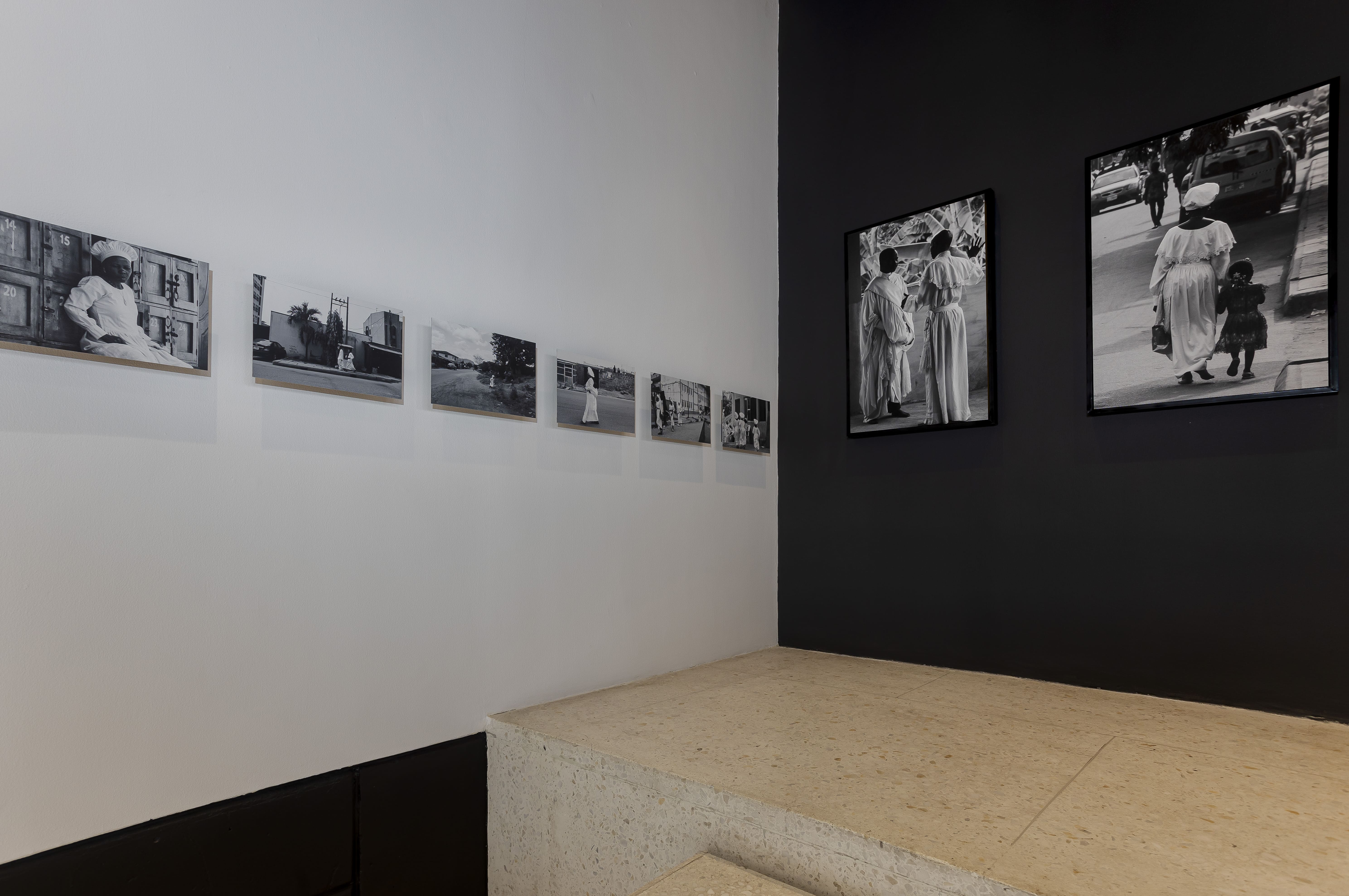
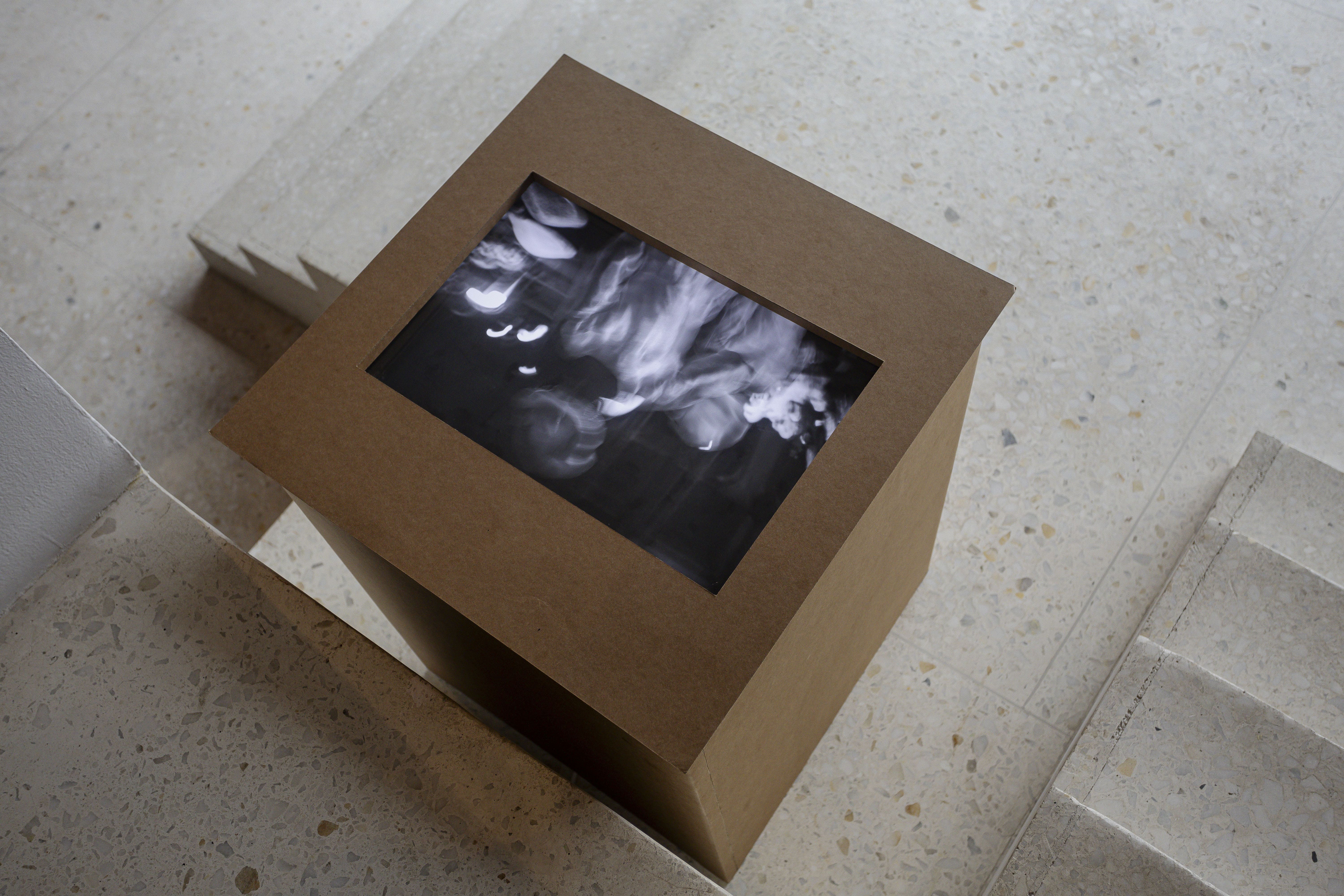
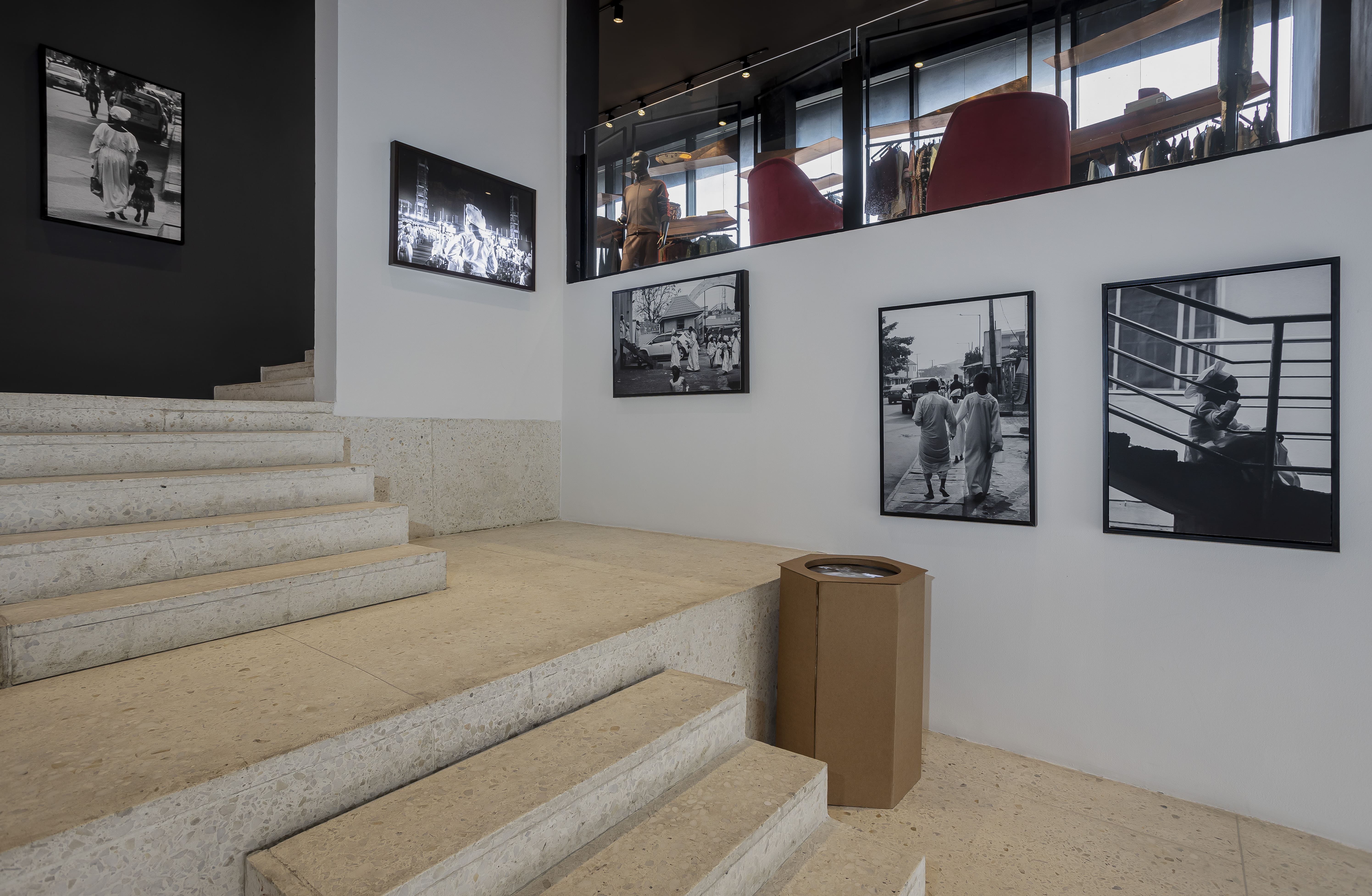
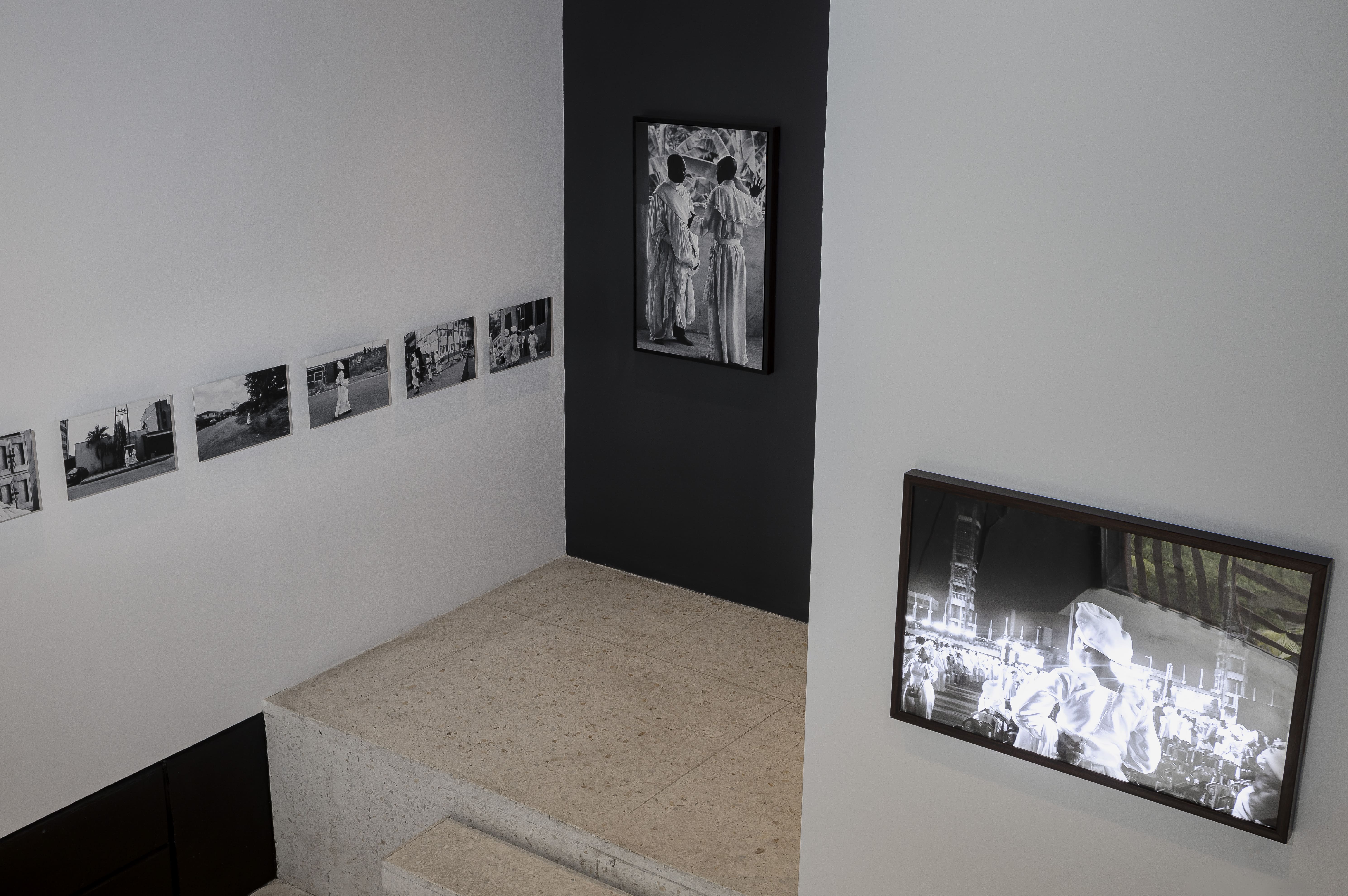
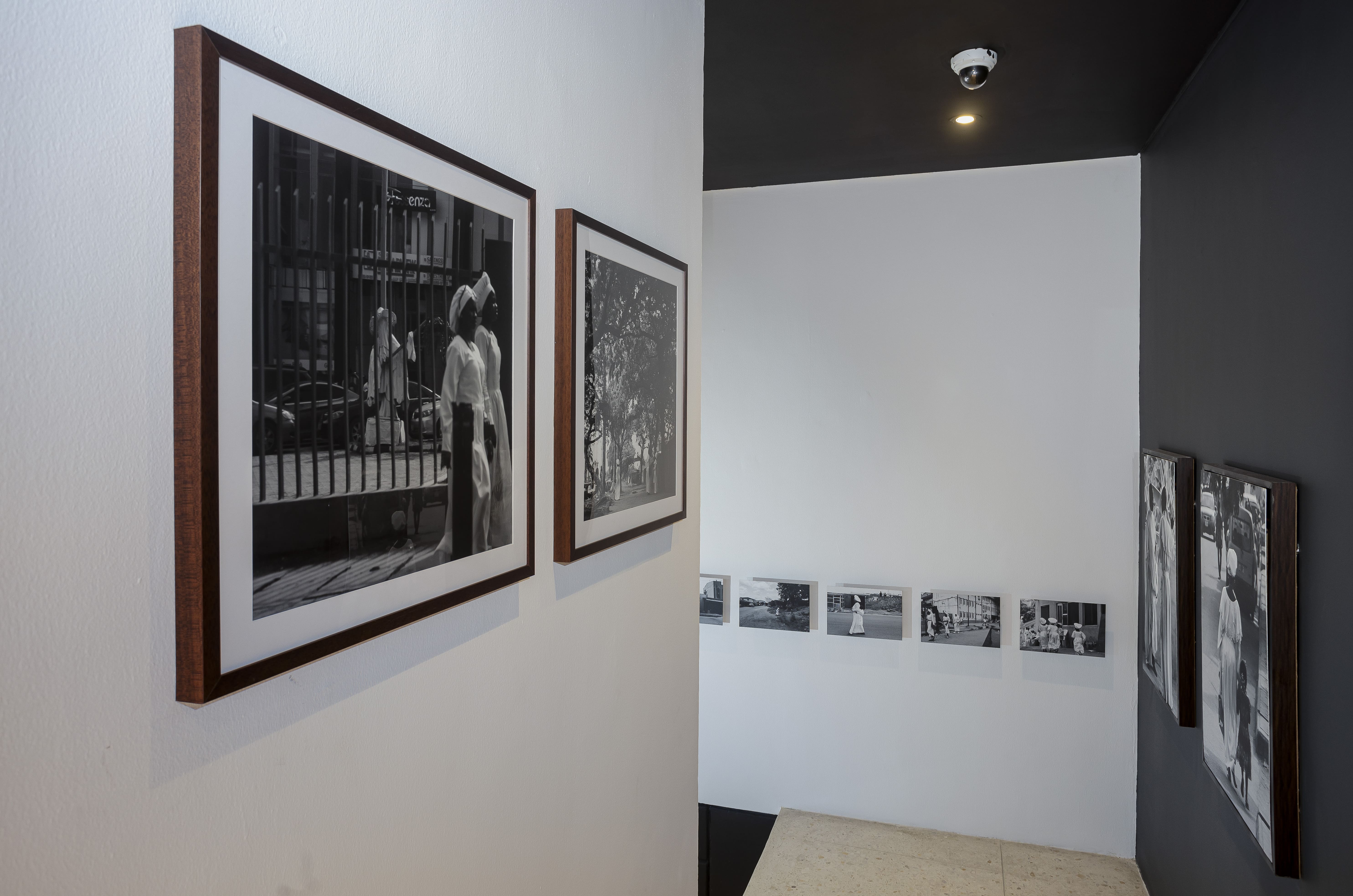
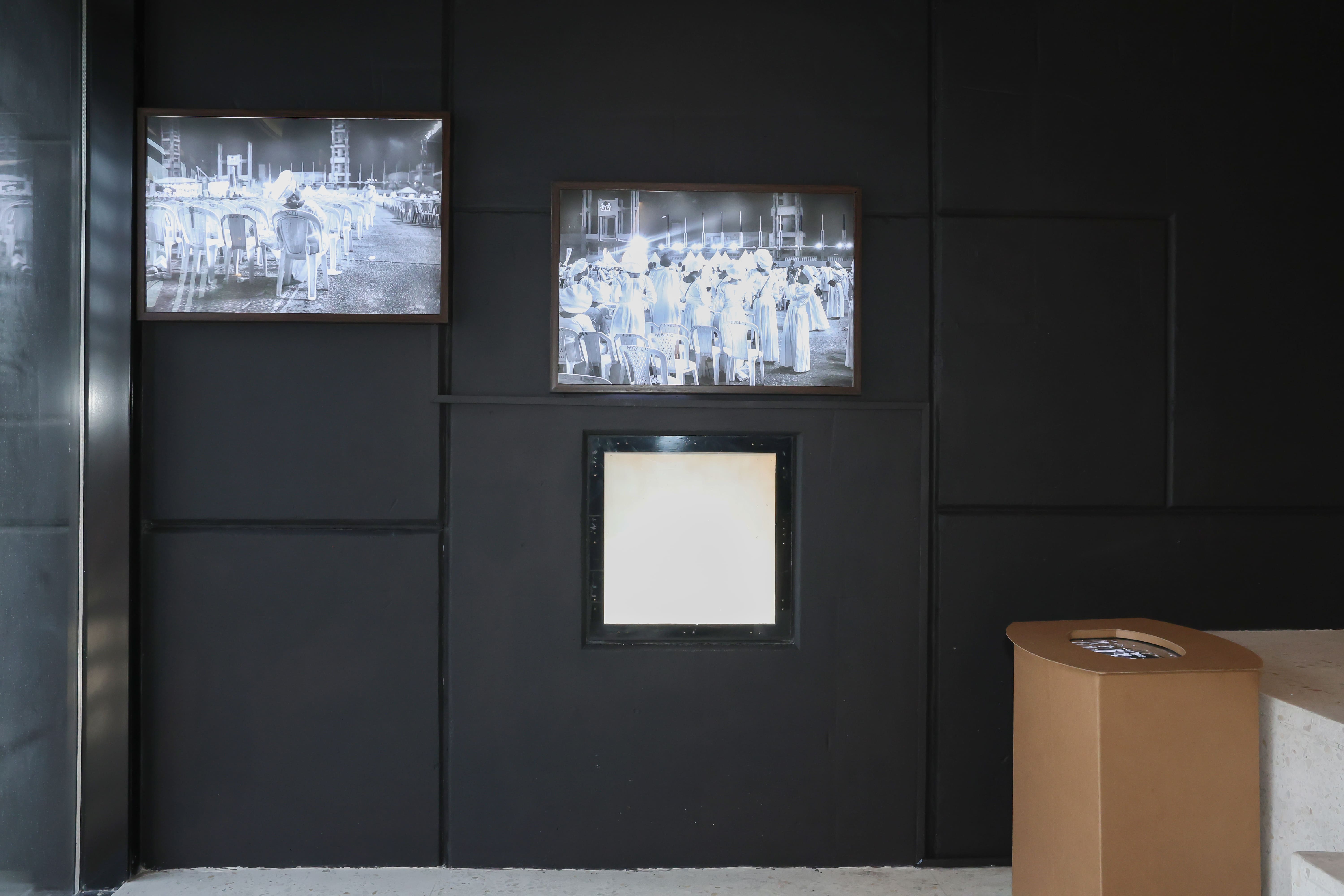
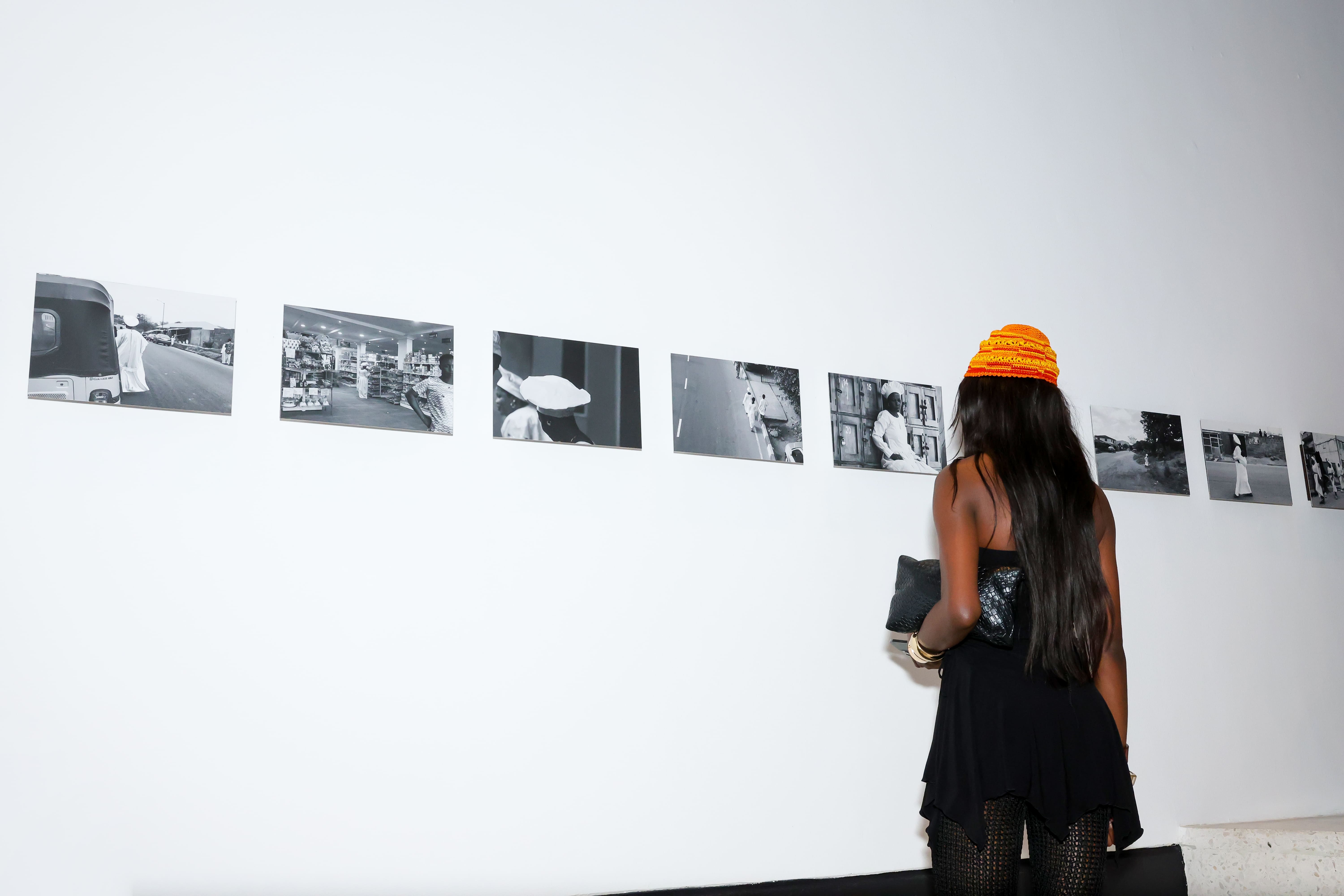
Shot in black and white, and departing from the vivid colour palette for which Tayo is known, the series takes on a distinctly documentary register. Many images are composed from behind, capturing devotees in candid moments– walking to and from service, lingering at its close. The eye is consistently drawn to the defining visual signature of Aladura practice: its garments. Flowing white robes, elaborate headwear, and bare feet move through the streets of Lagos, caught by Tayo's patient lens.
Known variously as sutana, aso-funfun, or simply "the garment", the white robe carries a theological weight rooted as much in Yoruba cosmology as in Christian scripture. White (funfun) holds deep sacred significance in Yoruba cosmology, associated with Obatala, the orisha of purity and creation.
That Tayo's entry point into this world is so acutely attuned to dress is no accident. Rooted in fashion, his practice was built shooting the Lagosian creative class, styling, and collaborating with artists and designers. Here, that sensibility finds unexpected new territory: the garment not as style but as marker of faith and a very specific historical legacy.
The series reflects Tayo's abiding interest in Nigerian life, its textures and daily rituals. Families, children, and street life appear throughout– the city itself functioning as a secondary character, omnipresent in the background of each frame. Tayo studied philosophy at the University of Lagos, and something of that training lingers here. A sociological curiosity, an attentiveness to systems of belief and how they come to shape community, seems to underpin his eye throughout.



.jpeg)


